






How to Choose a Ski or Snowboard Helmet
A good ski or snowboard helmet should be certified to EN 1077, fit snugly without pressure points, and sit flush with your goggles. Whether you are heading to the Alps this winter or riding a UK indoor slope, those three checks matter more than looks or price.
Explore the Dirty Dog Snow Helmets collection to find a helmet for your next trip to the snow.
Check the Safety Standard: EN 1077
In the UK and Europe, ski and snowboard helmets are tested to EN 1077. It comes in two classes:
Class A covers more of the head, including the ears.
- It offers more protection and suits racers, park riders and anyone who wants maximum coverage.
Class B has more ventilation and may leave the ears partly uncovered.
- It is lighter and cooler, and suits most recreational skiers and snowboarders.
Dirty Dog snow helmets are certified to EN 1077 Class B.
Browse the Dirty Dog Snow Helmets range to explore the available styles.
Measure Your Head
Wrap a soft tape measure around your head about 2.5 cm above your eyebrows and just above your ears. Take the largest measurement in centimetres and match it to the size chart.
If you fall between sizes, try the smaller size first, then use the adjustable fit dial to fine-tune. Sizes vary between Dirty Dog helmet models, so always check the size chart for the helmet you are buying.
Before choosing, check the measurements for the individual helmet you are interested in, including the Dirty Dog Crank Snowboard Helmet or the Dirty Dog Raptor Ski Helmet.
The Fit Test
Put the helmet on, fasten the chin strap and tighten the fit dial. Then check:
- Position. The front sits about two finger-widths above your eyebrows, level, not tipped back.
- Shake test. Shake your head side to side and nod. The helmet should move with your head, not slide around.
- Chin strap. You should fit one finger between strap and chin, no more.
- No pressure points. Wear it for five minutes in the shop or at home. Any hot spot will feel ten times worse after a day on the slopes.
Once you know your size, compare the options in the Dirty Dog Snow Helmets collection.
Make Sure It Works with Your Goggles
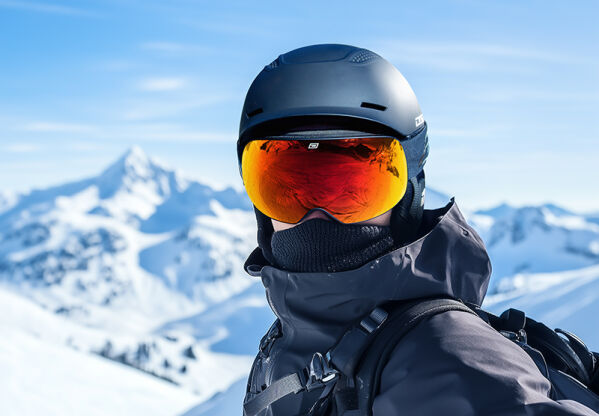
Take your goggles when you try helmets on. The top of the goggle frame should meet the helmet brim with no gap, and the goggle should not be pushed down onto your nose.
Most helmets have a goggle clip at the back to hold the strap in place. Dirty Dog helmets are designed to pair with Dirty Dog goggles, and with most other goggle brands.
Not sure which goggles to choose? Read our ski and snowboard goggle buying guide and explore the Dirty Dog Snow Helmets range to find a suitable combination.
Features Worth Having
- Adjustable vents let you open up on mild spring days and close down in a snowstorm.
- Removable ear pads and liner can be washed and are useful if you ride indoors, where it is warmer.
- Fit dial at the back lets you adjust with gloves on, or make room for a thin beanie.
The Dirty Dog Crank Snowboard Helmet features a durable ABS hardshell construction and a fur-lined interior. The Dirty Dog Raptor Ski Helmet features a built-in retractable visor and an adjustable ventilation system.
Compare these options with the rest of the Dirty Dog Snow Helmets collection.
When to Replace Your Helmet
Replace your helmet after any hard impact, even if it looks fine. The foam inside is designed to crush once and may not protect you a second time.
Otherwise, most manufacturers recommend replacing a helmet about every five years, as materials degrade with UV, sweat and temperature changes.
If you need a replacement, browse the Dirty Dog Snow Helmets collection to compare the available models.
Helmets for Kids
Children should always wear a helmet on the snow, and most ski schools in Europe expect it. Buy a helmet that fits now, not one to grow into. A loose helmet will not protect them properly.
Dirty Dog does not make a separate kids' helmet, but our smaller sizes fit many children. Measure their head and check the size chart.
Explore the available sizes in the Dirty Dog Snow Helmets collection and check the measurements of each helmet before purchasing.
Explore Dirty Dog Snow Helmets
Once you have measured your head and considered the fit and features you need, compare the available Dirty Dog snow helmets.
Shop all Dirty Dog Snow Helmets
Snow Helmet FAQs
What size ski or snowboard helmet do I need?
Measure around your head about 2.5 cm above your eyebrows, in centimetres, and match it to the size chart for that helmet. Between sizes, try the smaller one first. Compare the sizing information on the Dirty Dog Snow Helmets collection before choosing a model.
What does EN 1077 mean on a ski or snowboard helmet?
EN 1077 is the European safety standard for ski and snowboard helmets. Class A gives more coverage, Class B more ventilation. Dirty Dog helmets are certified to Class B.
Do I need a helmet for an indoor ski slope?
Most UK indoor snow centres strongly recommend helmets, and many require them for lessons and under-18s. Check with your slope before you go.
Can I use a bike helmet for skiing?
No. Bike helmets are tested to a different standard, have more open vents, and are not designed for cold or the type of impacts you get on snow.
How long does a ski or snowboard helmet last?
About five years with normal use, or until it takes a hard knock, whichever comes first.
Can I wear a beanie under my snow helmet?
Only a thin one, and only if the helmet still fits snugly. A thick beanie stops the helmet sitting correctly. Snow helmets are designed to keep you warm without one.
Ready to find your helmet? Browse the Dirty Dog Snow Helmets collection.
Back to Beyond the Frame